project team: Bogdan Ciocodeica, Adelina Cucoranu
photo: Vlad Patru
styling: Iulia Bacanu
location: Bucharest / 2025


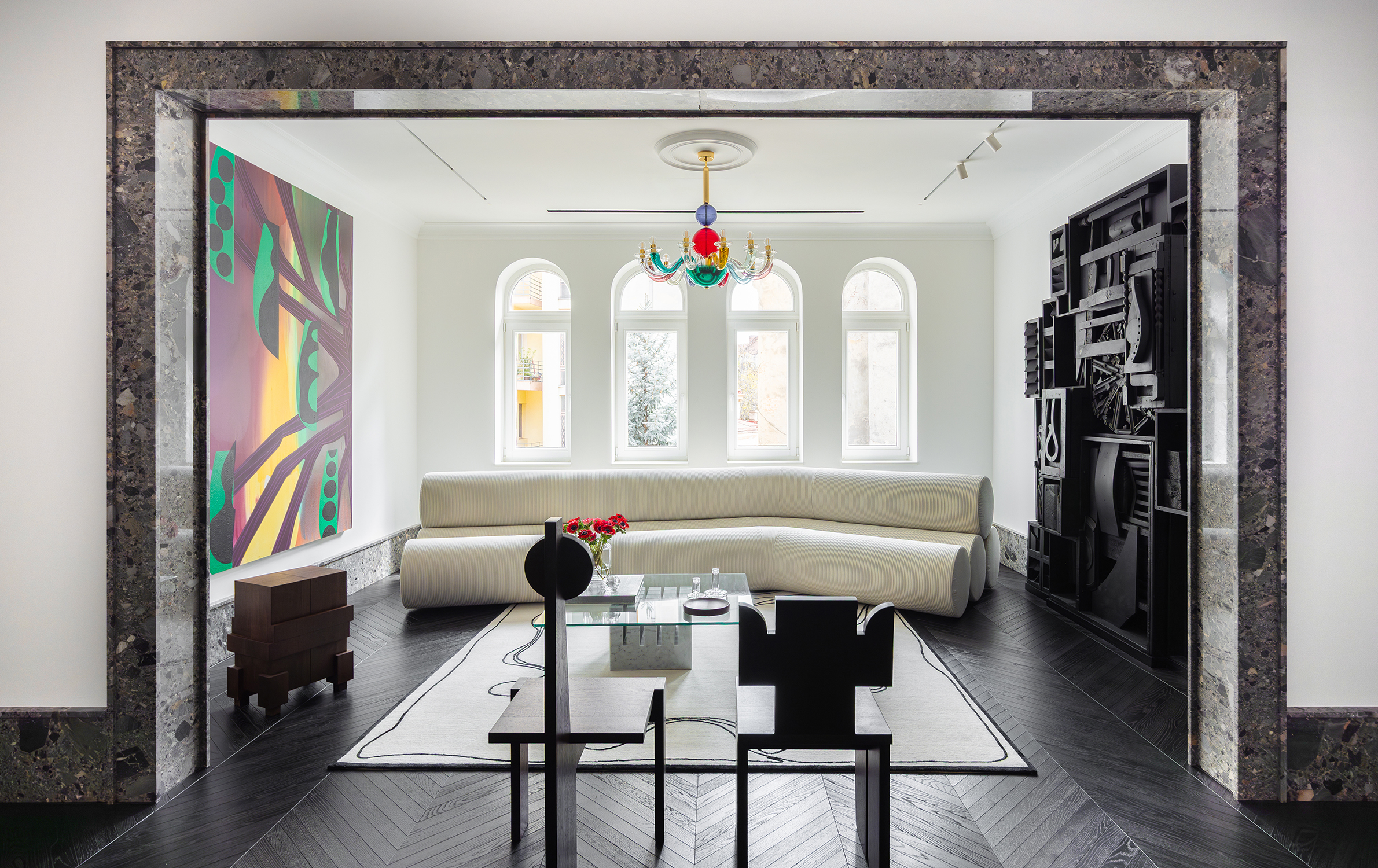

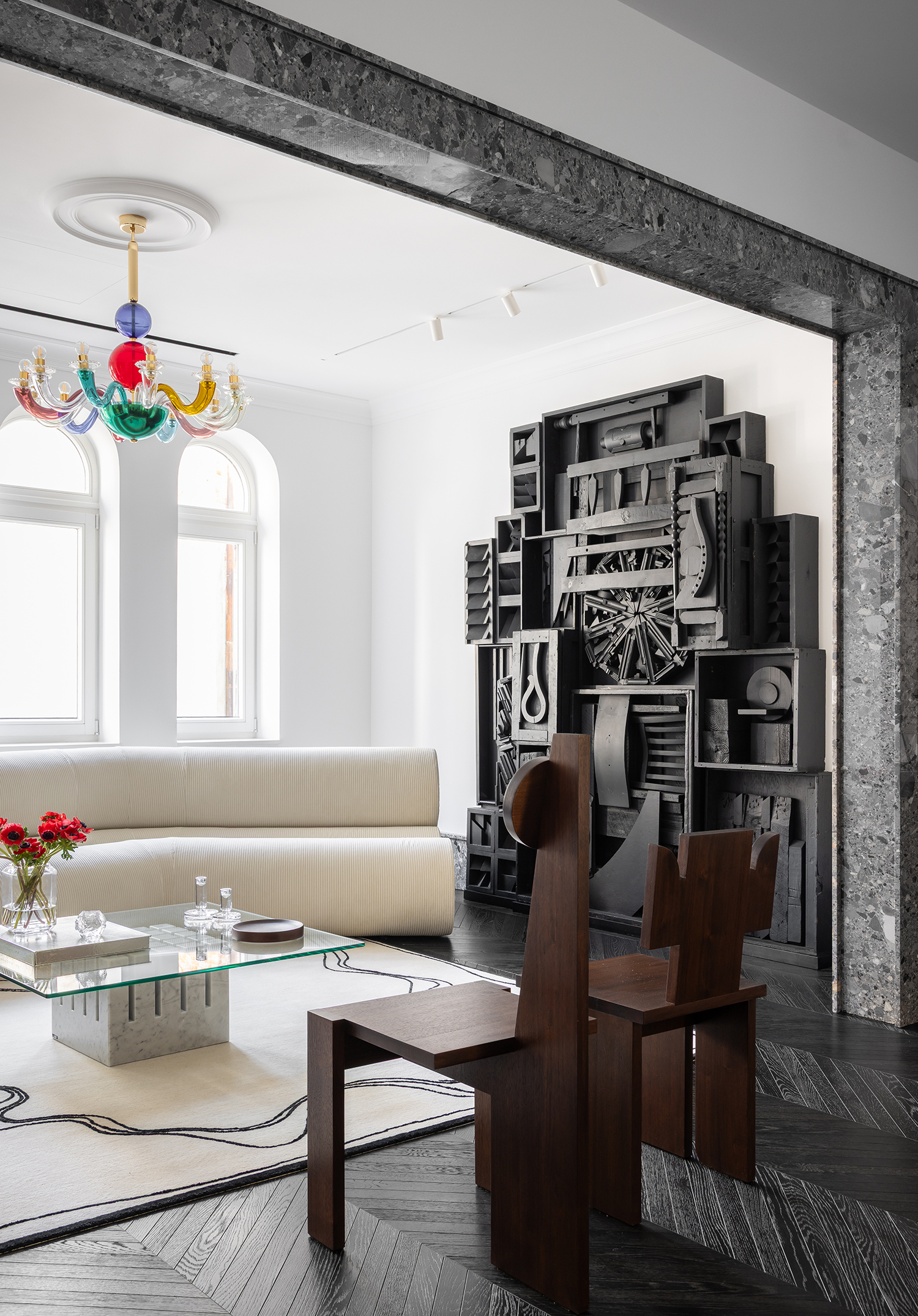
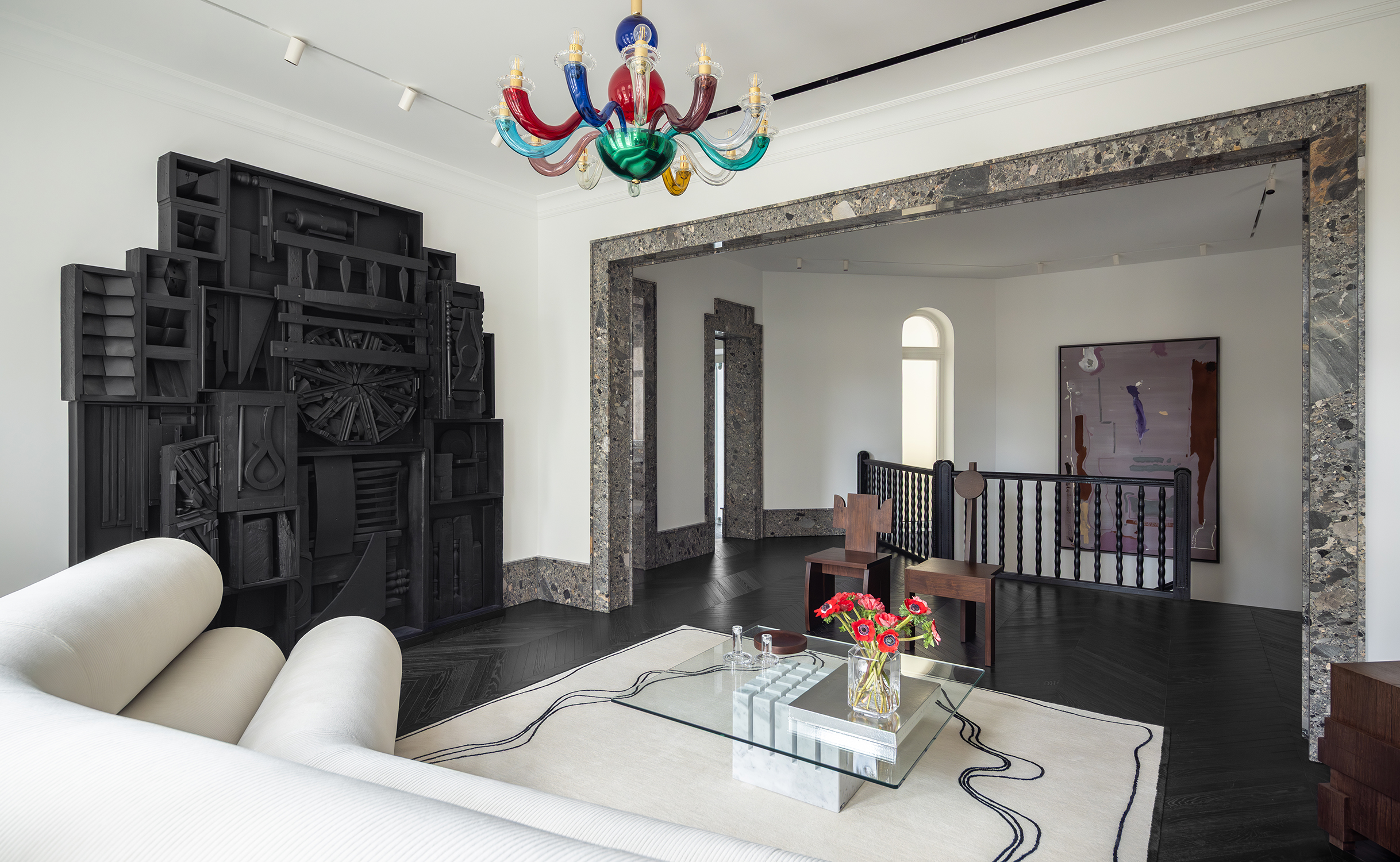

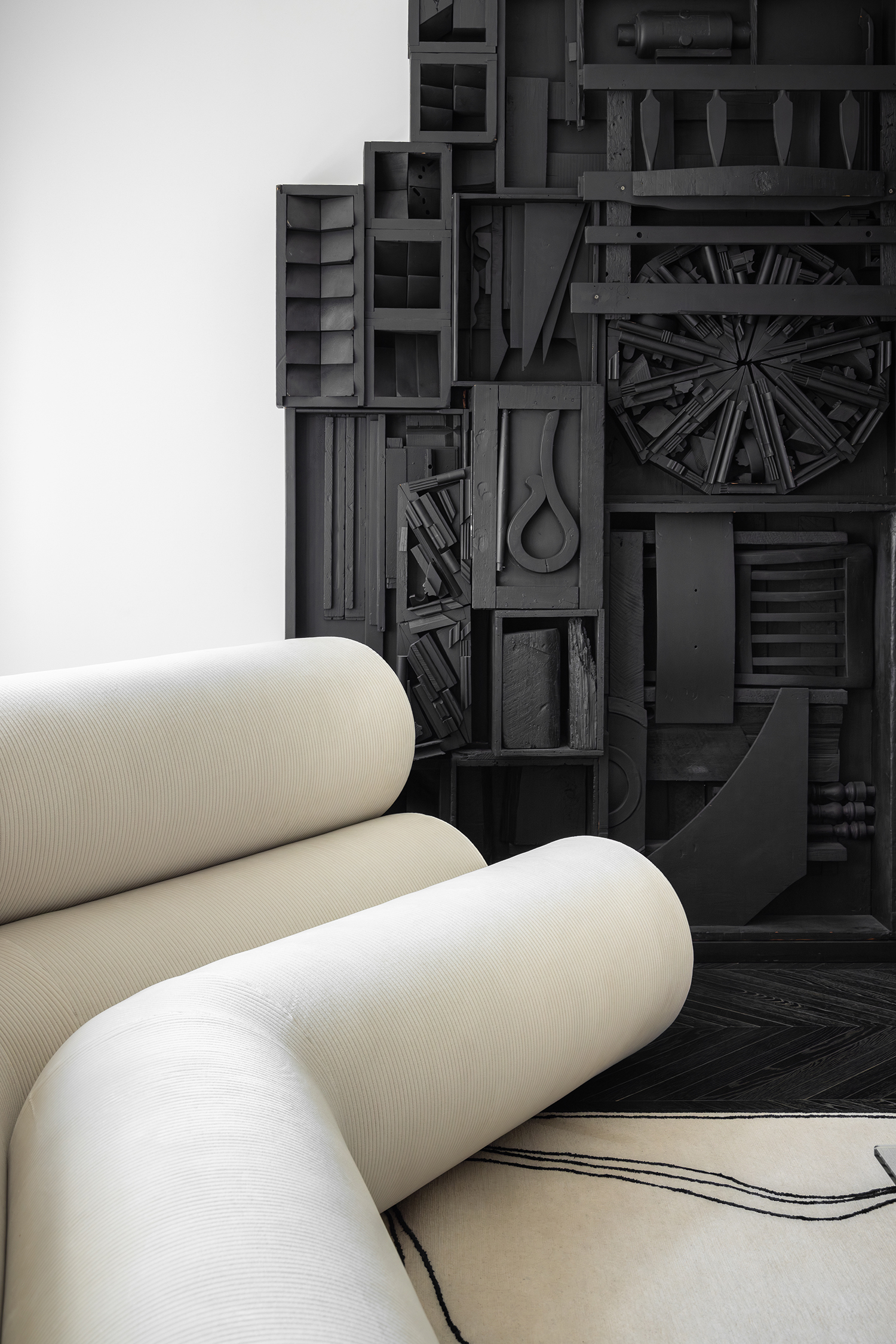
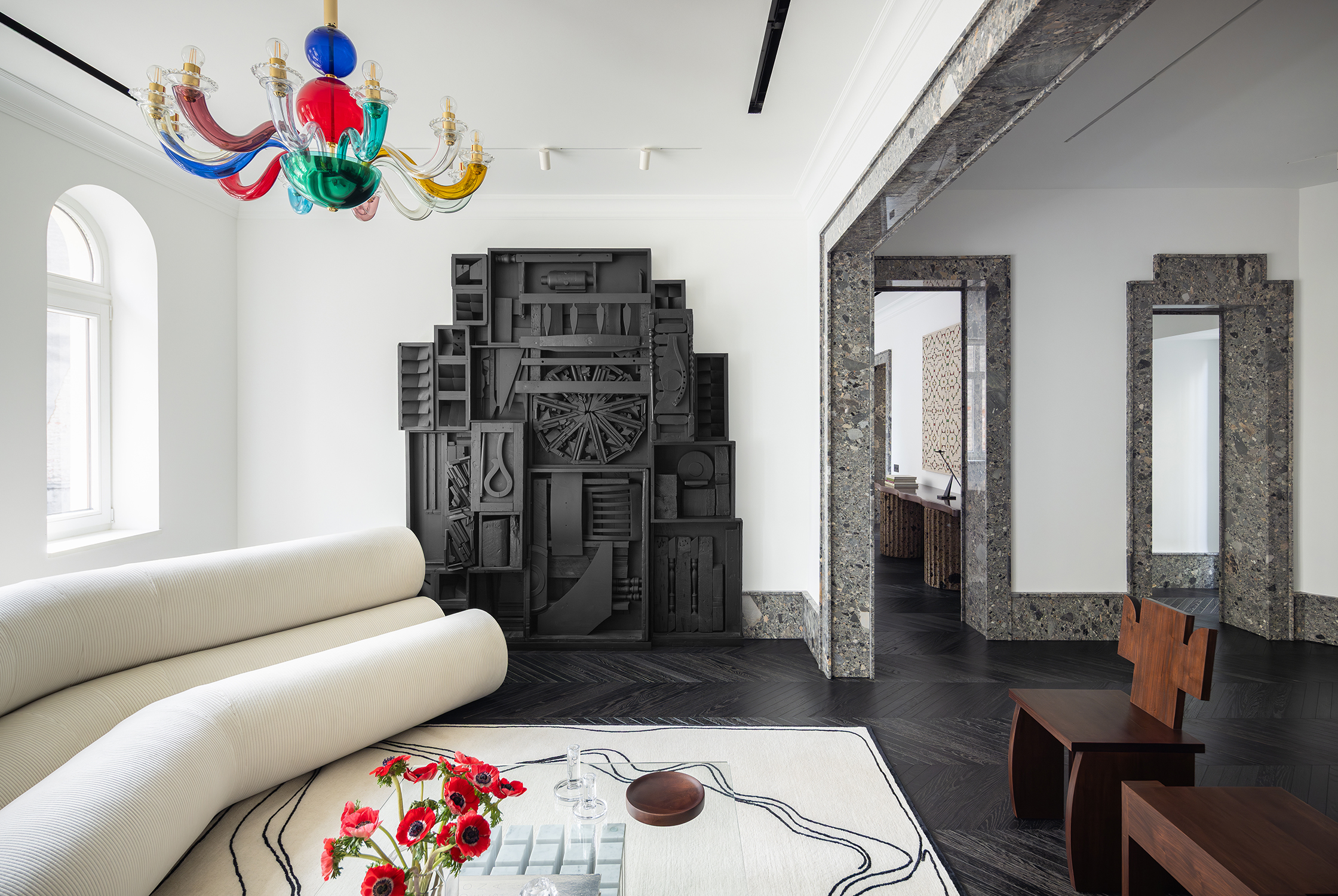


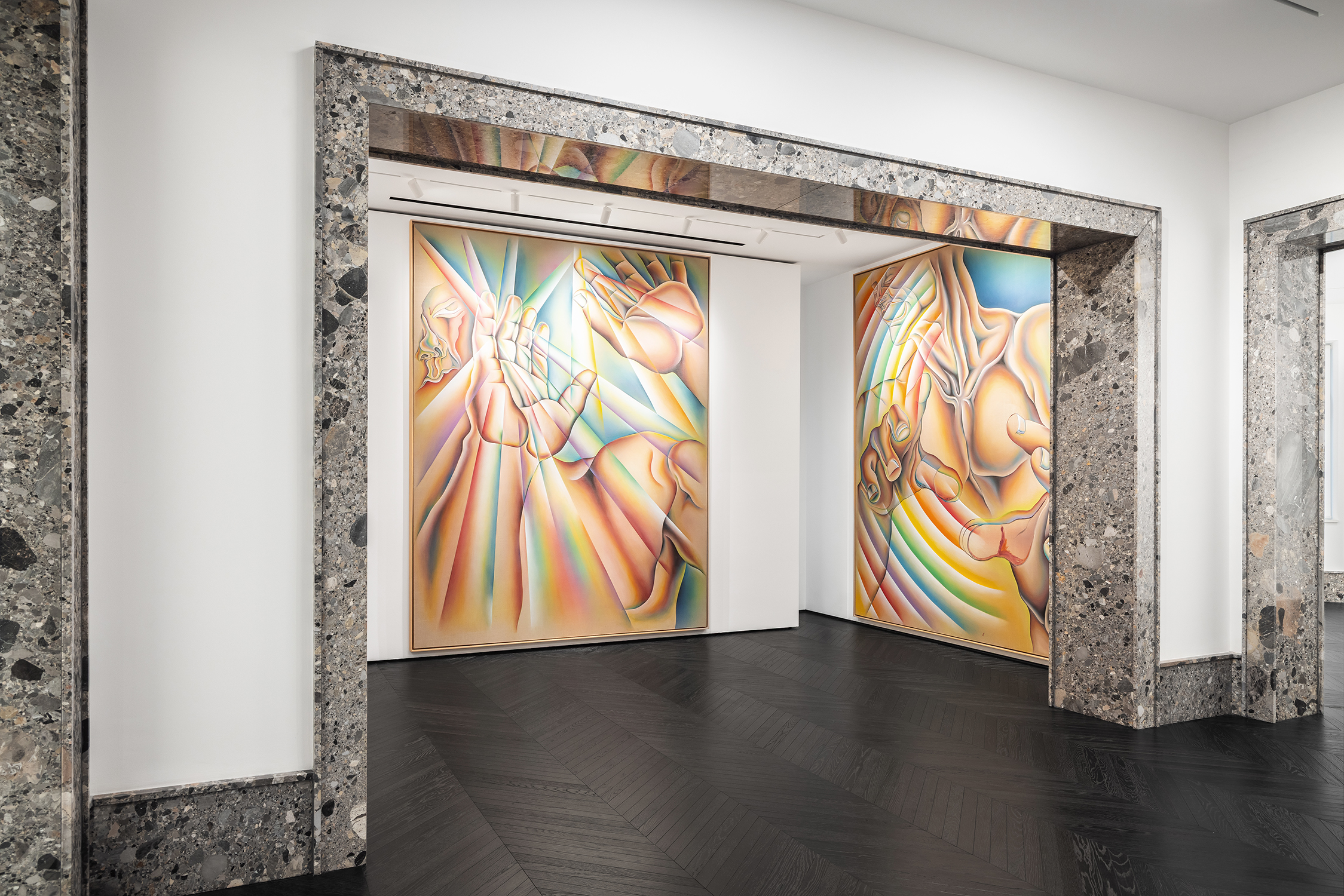
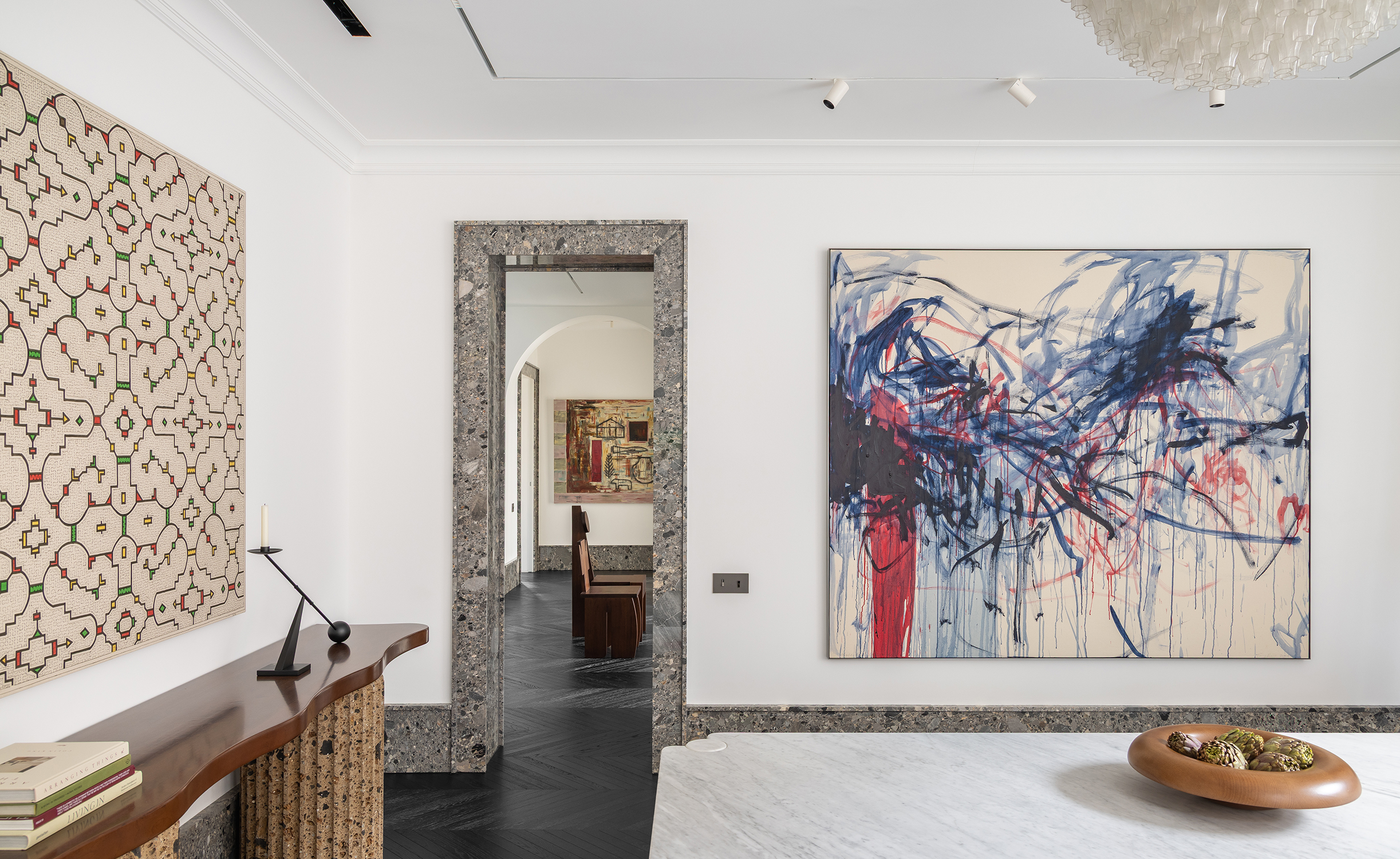


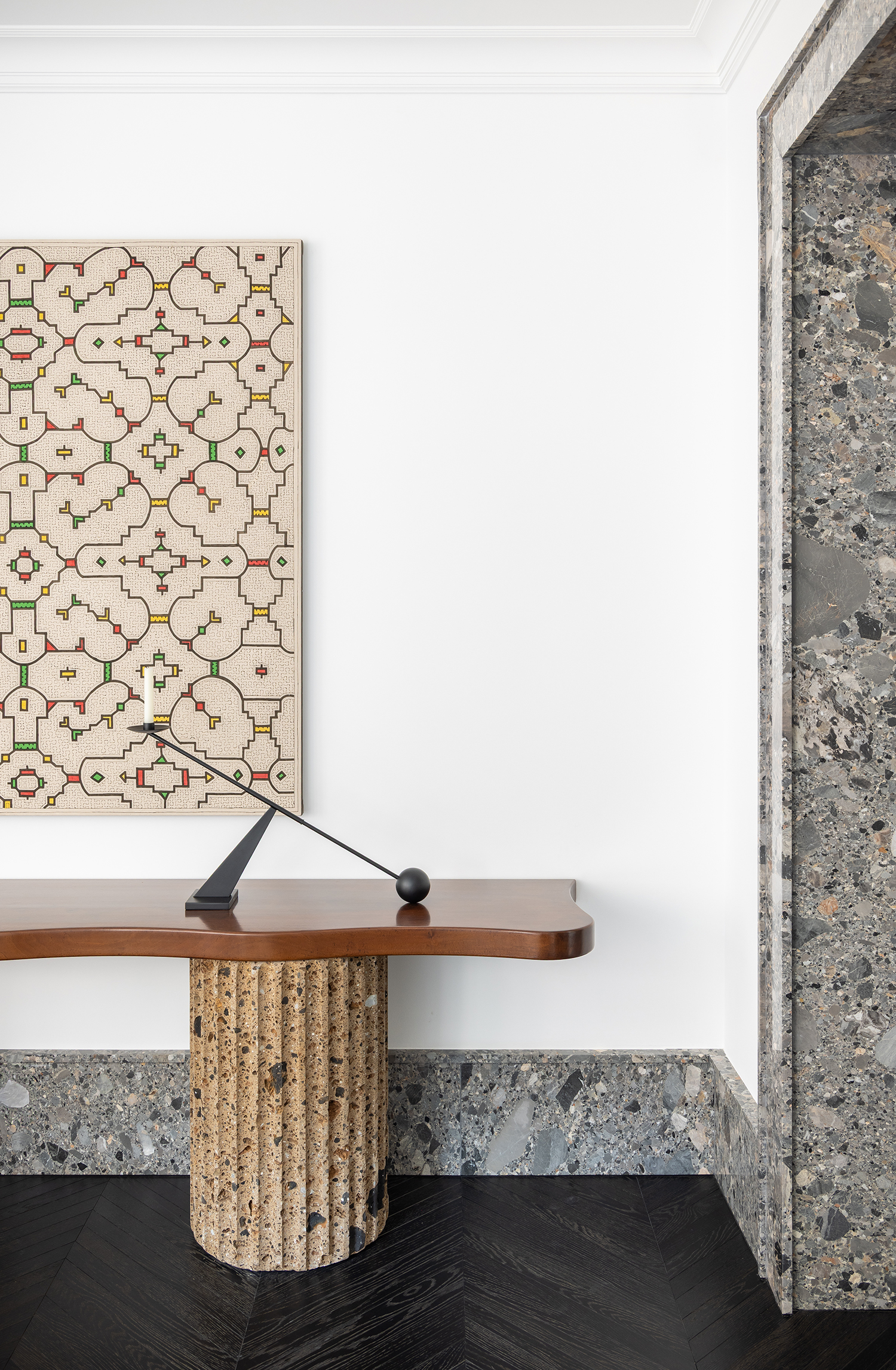

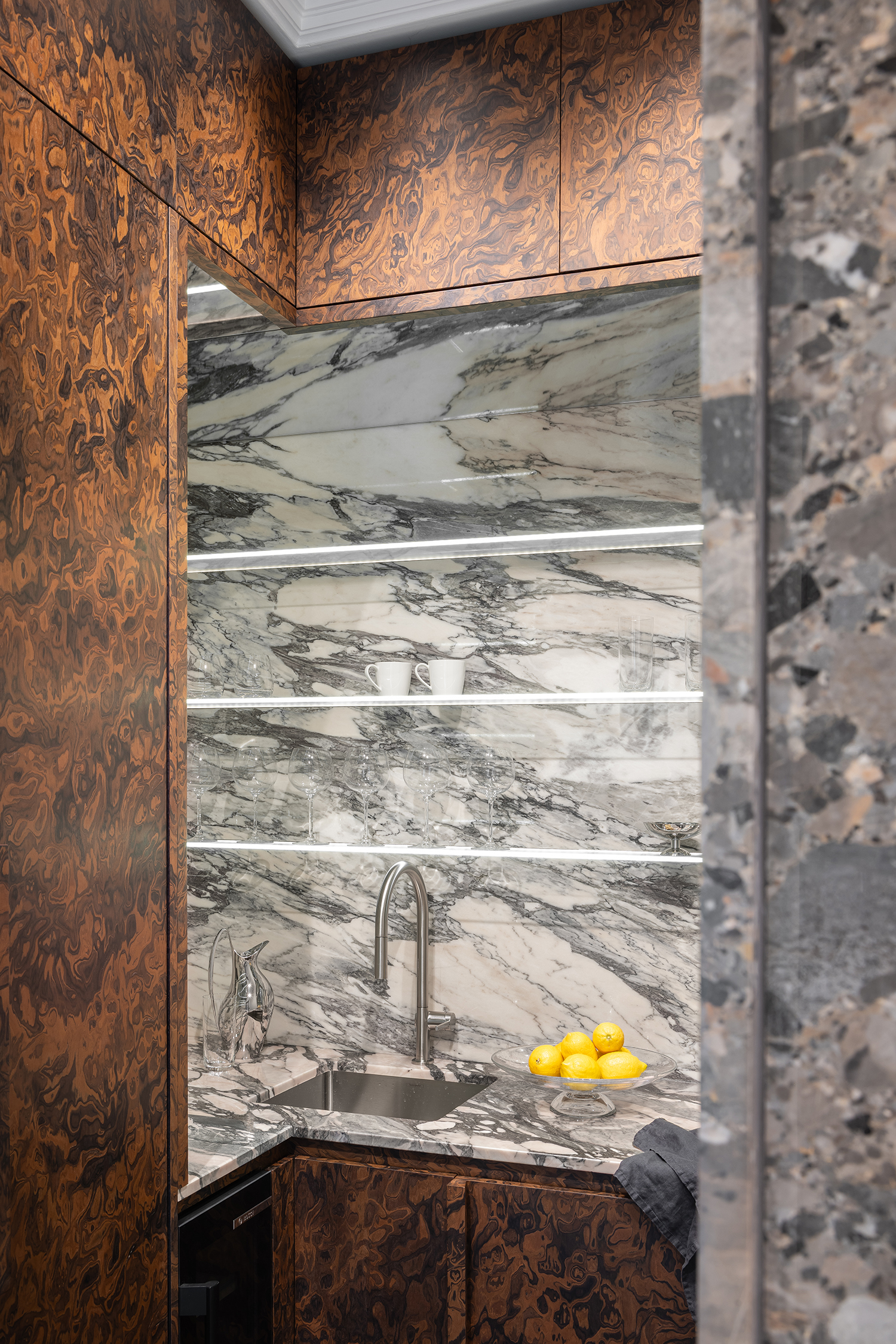
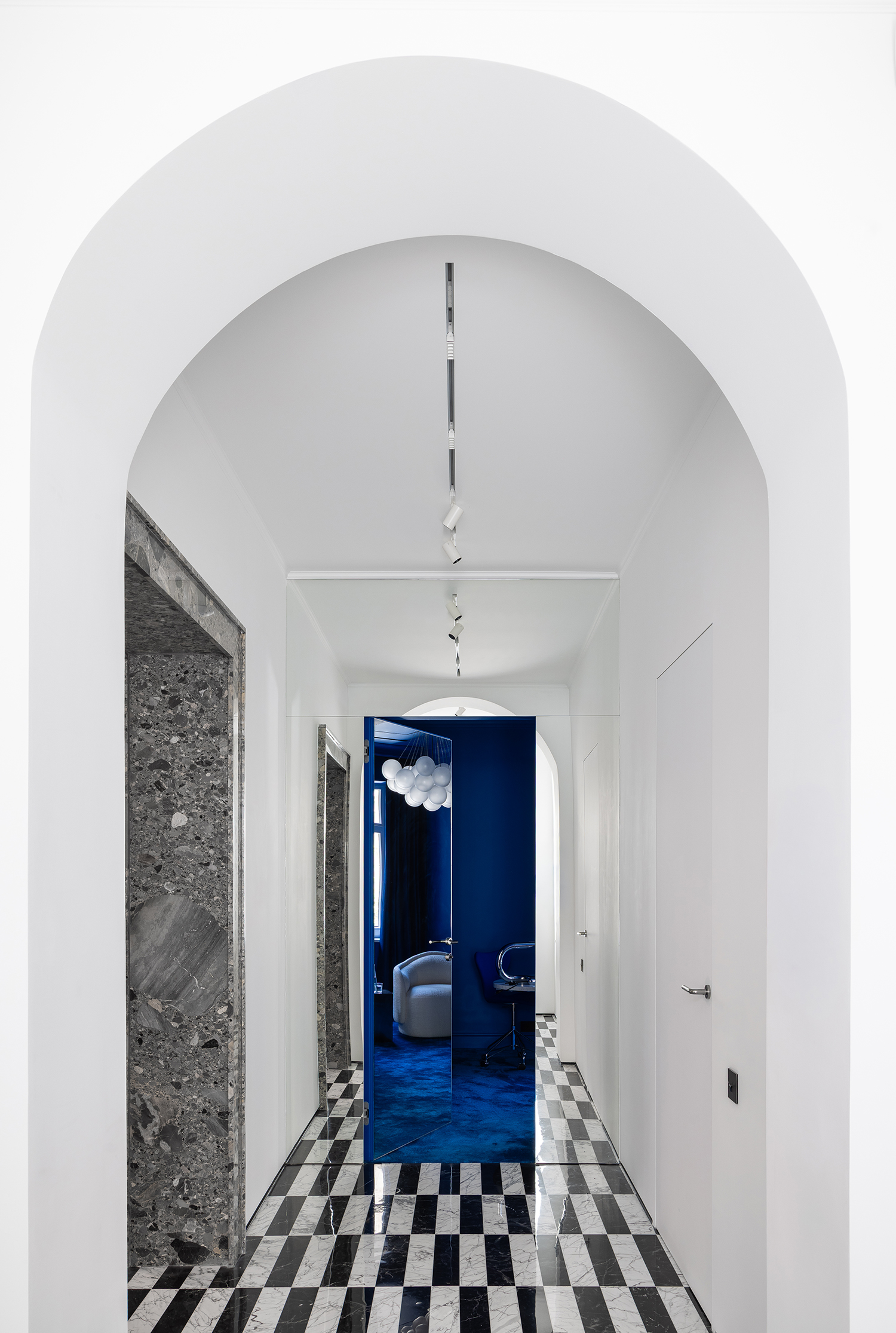
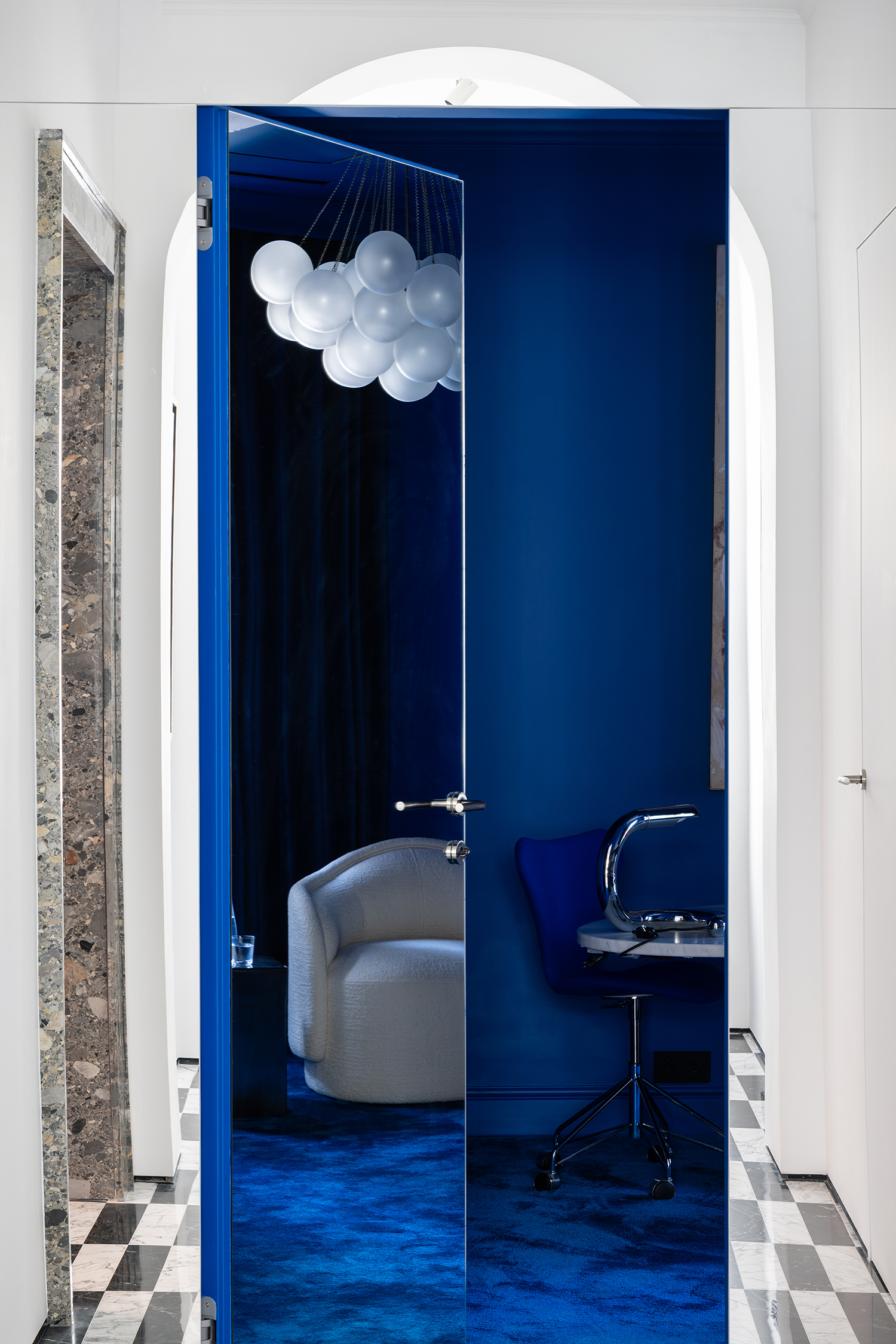
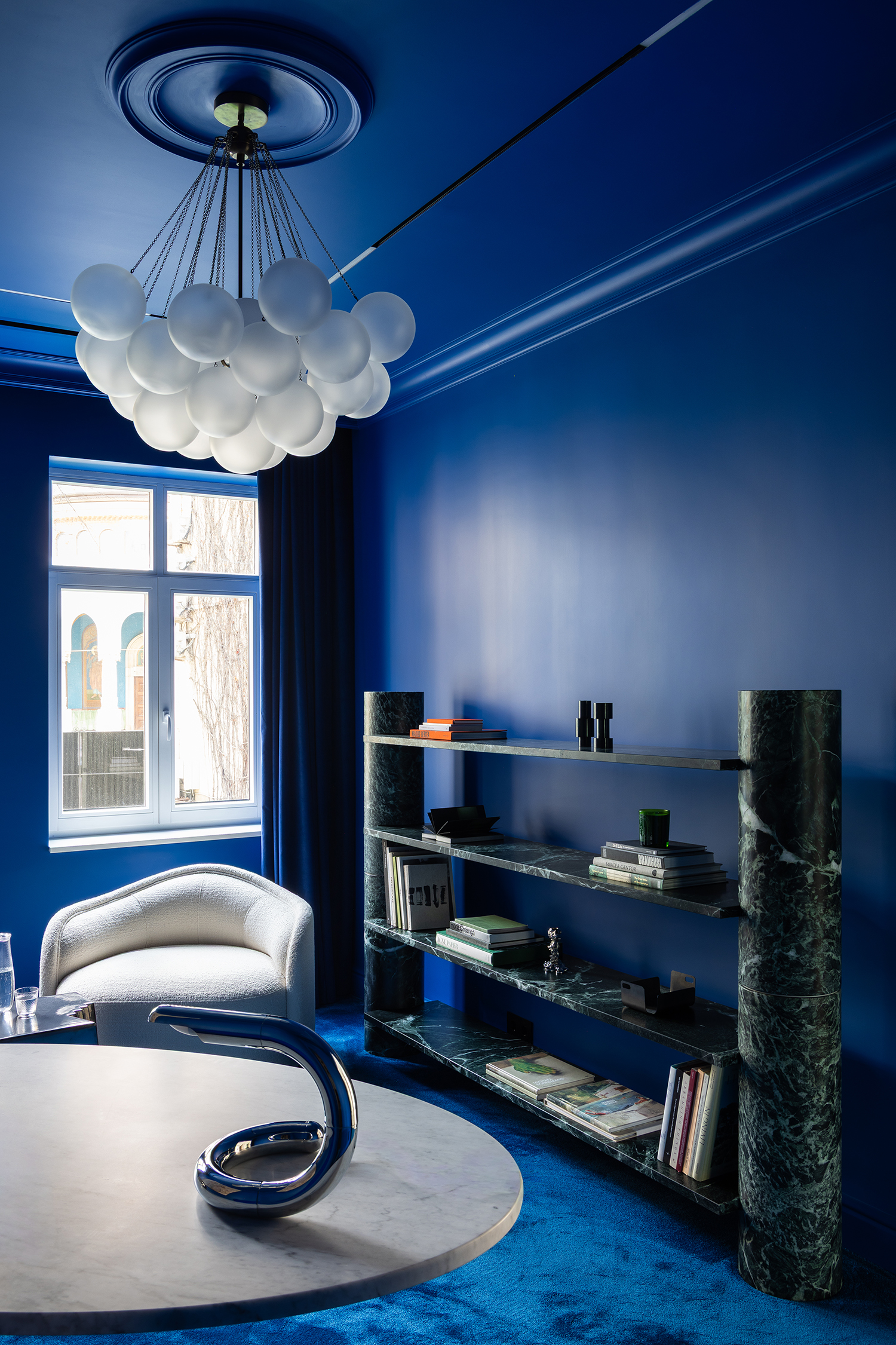
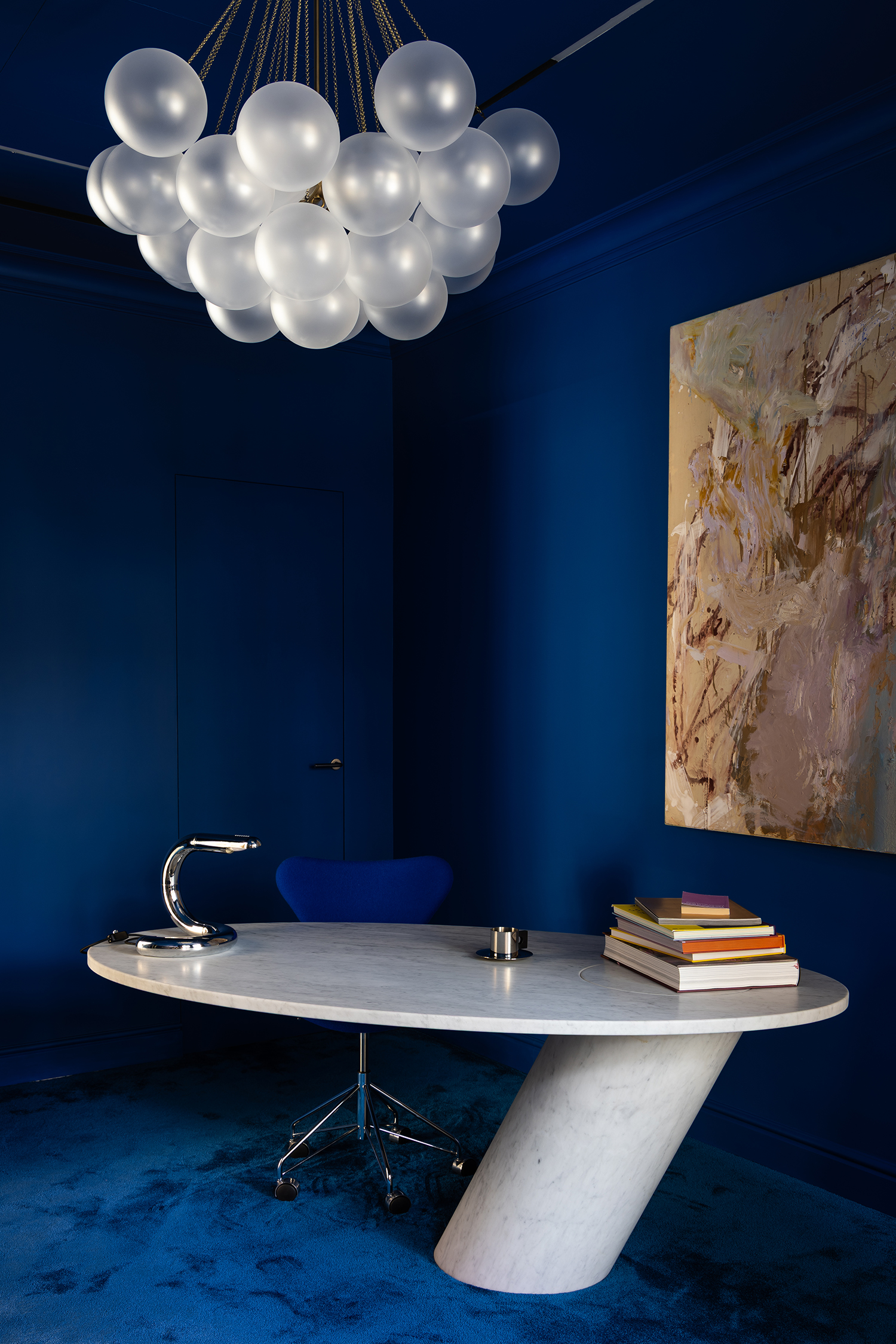
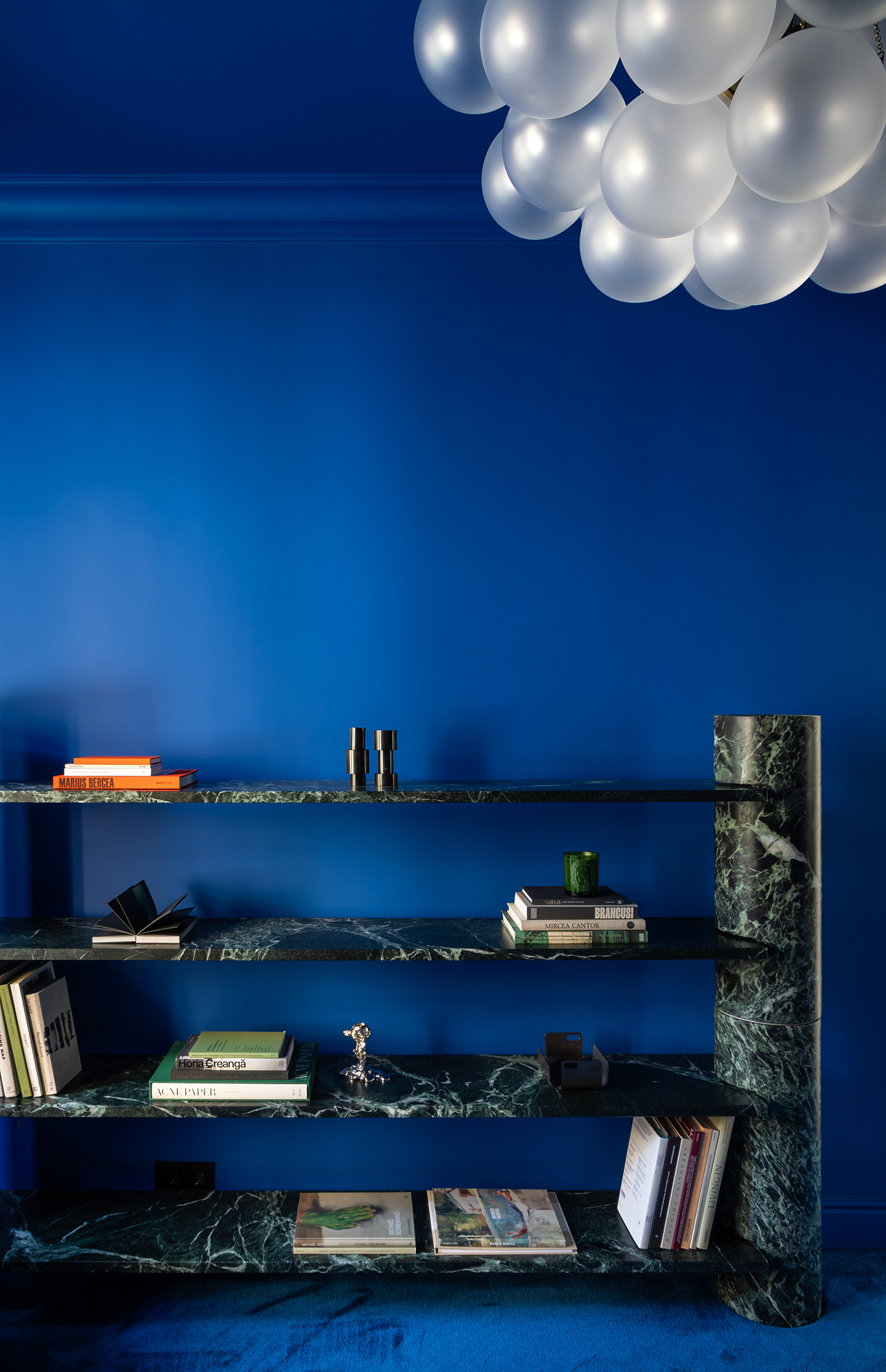
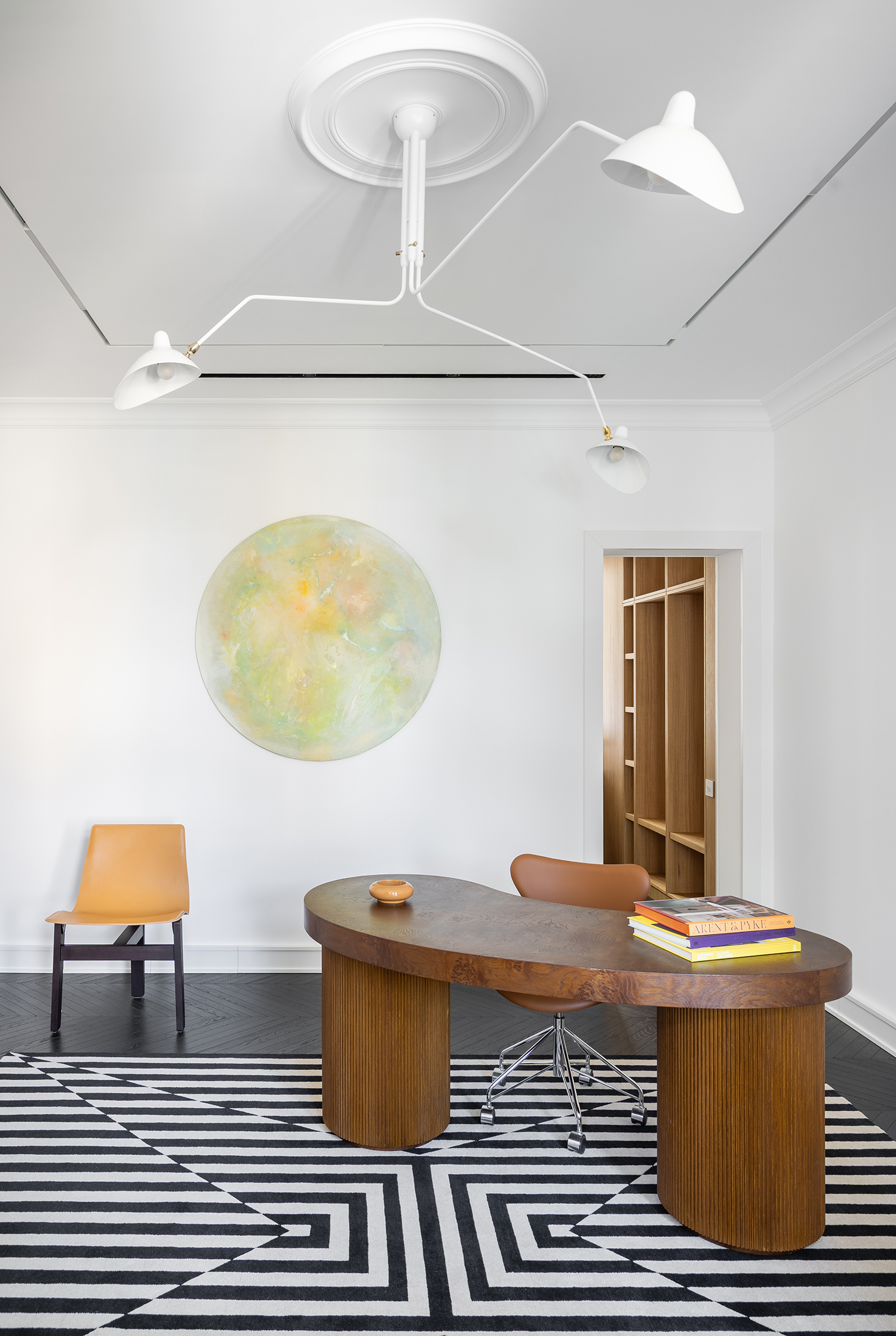
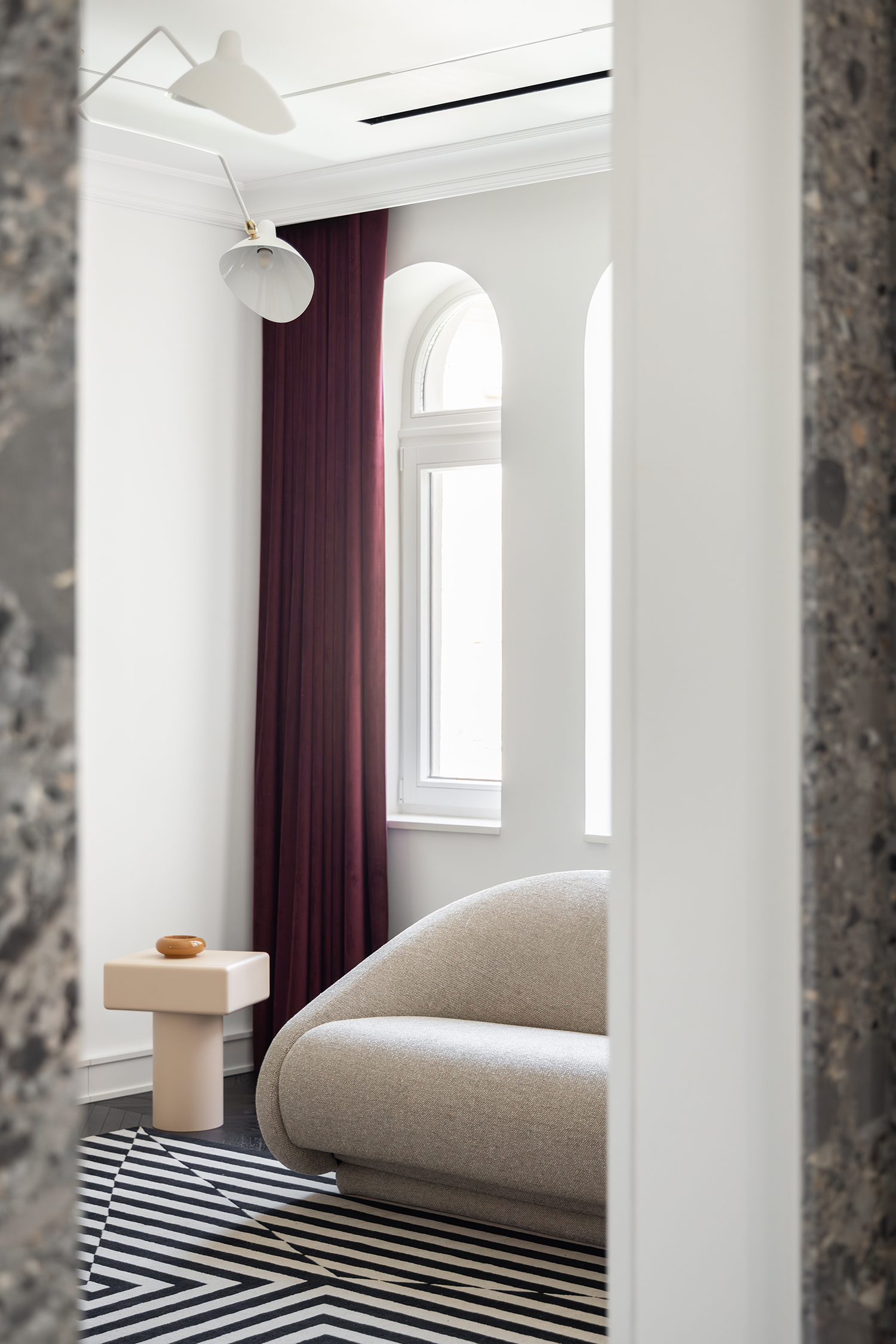


Set within Bucharest’s layered architectural fabric, this townhouse renovation unfolded over three years as a precise and restrained intervention, conceived as both a private home and a vessel for a significant all-female 20th and 21st century art collection, including works by Louise Nevelson, Tracey Emin, Judy Chicago, and Andra Ursuța. The primary goal was to create a calm white architectural canvas—an interior framework where the collection could expand, breathe, and fully unfold without competition.
Heavily altered during the communist era, the house had lost many of its defining proportions and details. Rather than pursuing a nostalgic restoration, the project focused on preserving what remained while re-establishing clarity through a contemporary architectural language rooted in permanence and discipline. Circulation was rethought, spatial hierarchies were restored, and constraints—structural and bureaucratic—became tools to refine the layout into a coherent sequence of rooms, each operating as a distinct viewing environment.
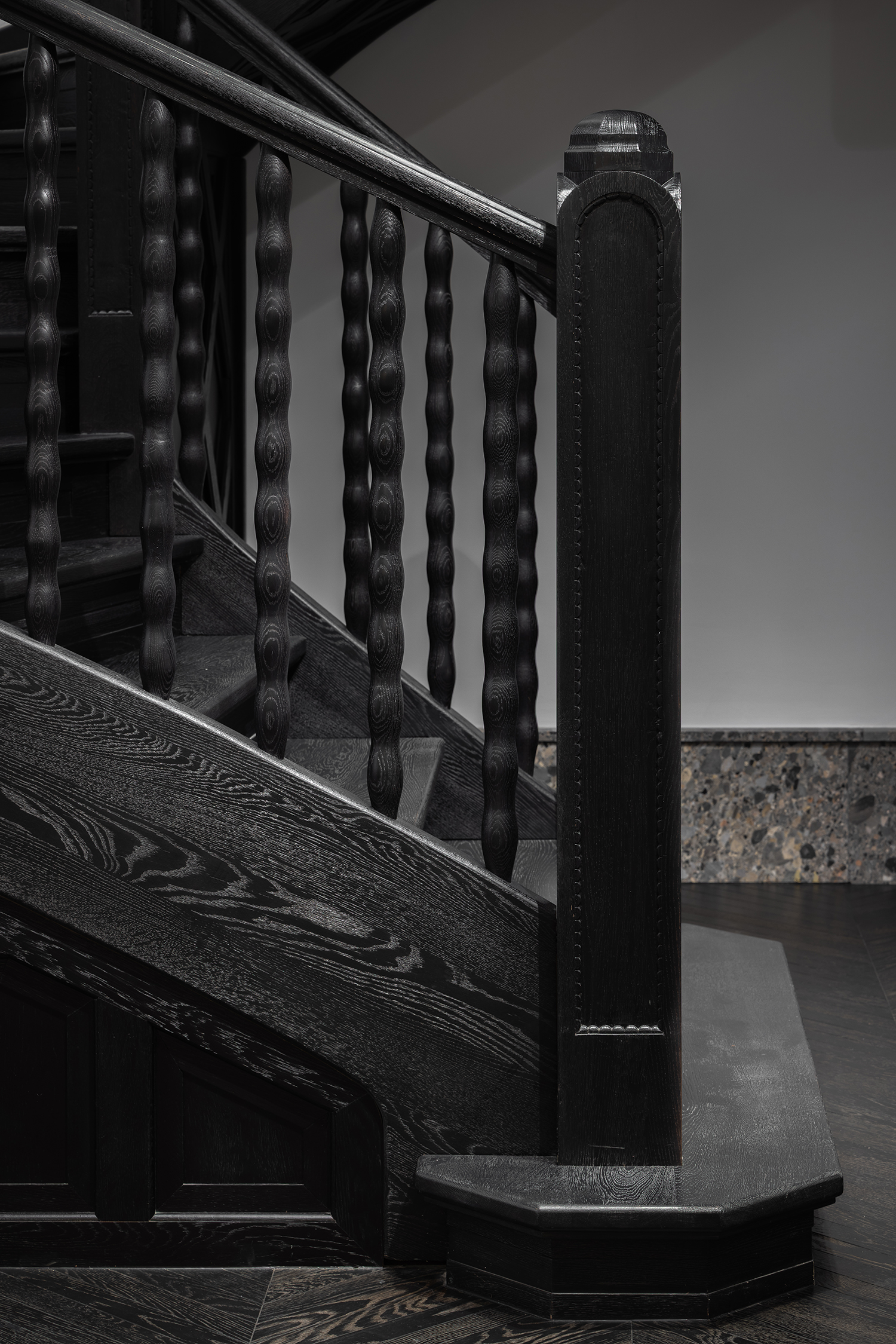
Three key elements were preserved and restored to anchor the building’s historical continuity: the façade and two staircases. The central wooden staircase was fully restored to reclaim its role as the home’s vertical spine, while the secondary concrete and terrazzo staircase was cleaned and polished, retaining its original integrity. Together, they embody the project’s approach—integrating time rather than erasing it.
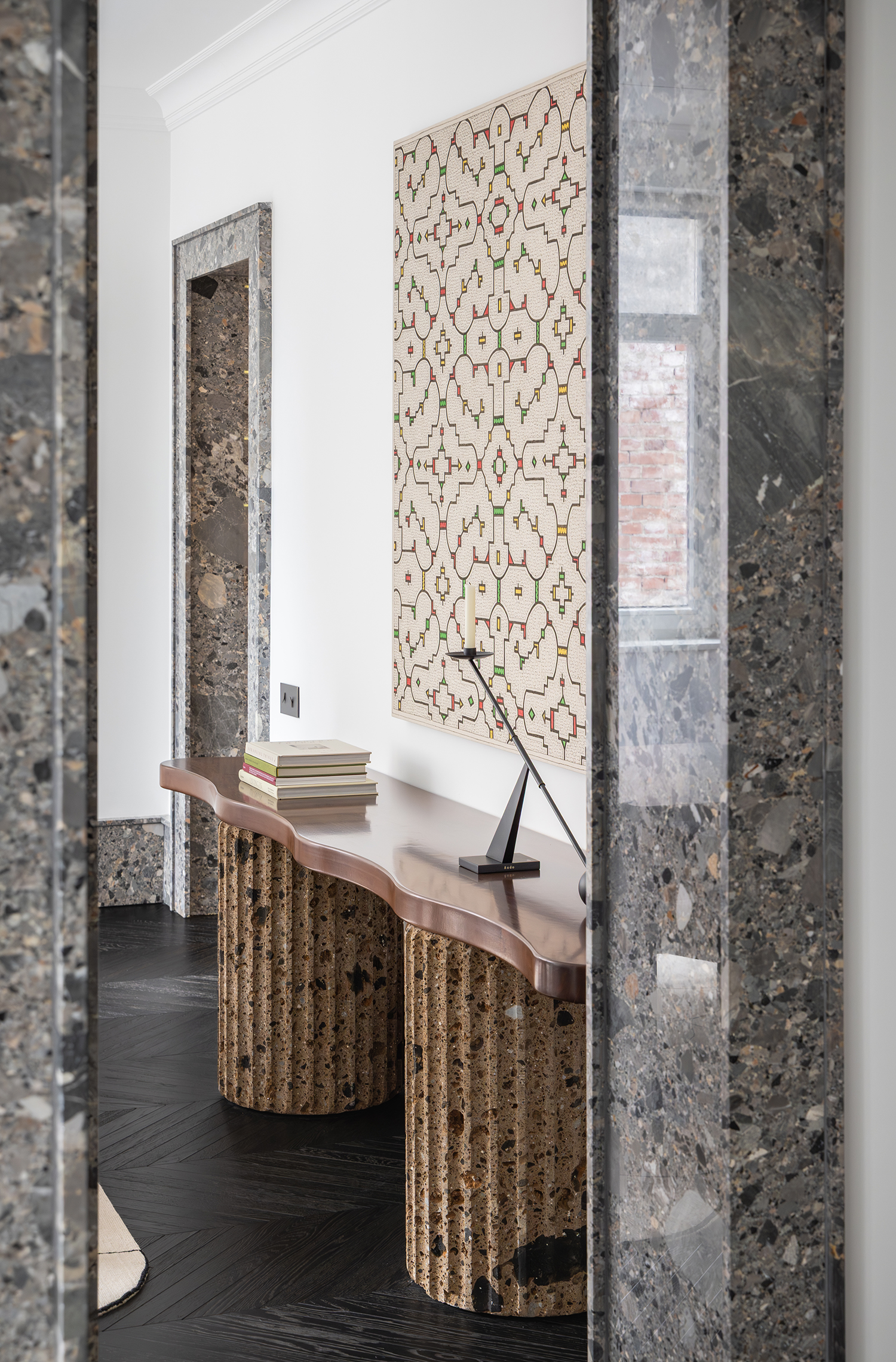
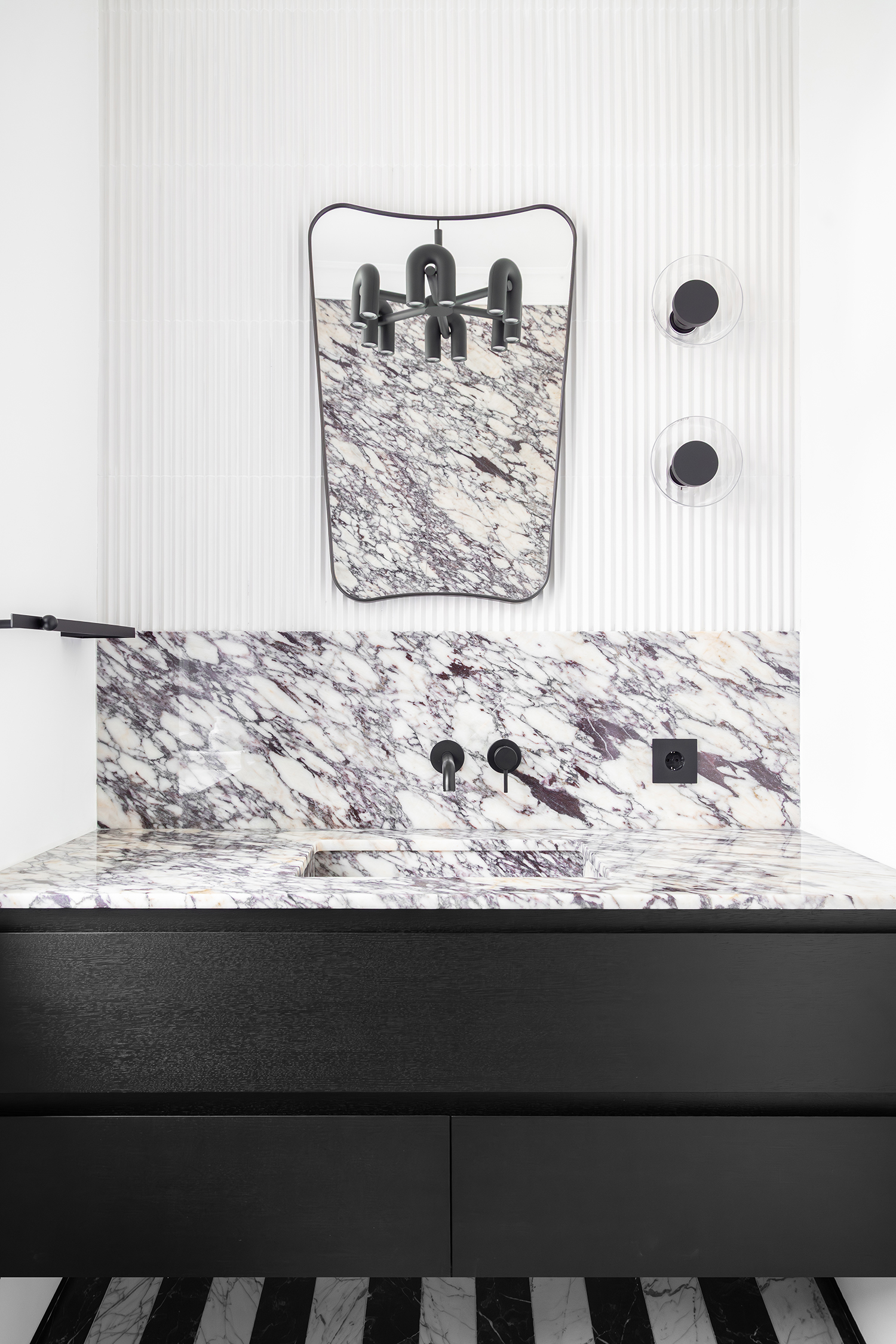
Material choices reinforced the atmosphere of quiet gravitas. Ceppo di Gré stone frames thresholds and openings, dark herringbone floors ground the luminous palette, and marble appears selectively, most notably in a monolithic dining table. Subtle brass and muted gold accents introduce depth without disrupting the overall calm.
Furniture and lighting were curated as sculptural extensions of the architecture—functional yet expressive—supporting the gallery-like quality of the space while maintaining domestic warmth. Even secondary spaces were treated with curatorial intent: in the guest powder room, an unused shower alcove was transformed into a display niche, turning a purely functional zone into an intimate exhibition moment.
Ultimately, the renovation proposes a home defined by architectural restraint and spatial clarity—a quiet, deliberate setting where history is acknowledged through preserved fragments, and where a powerful collection of women artists is given space to take center stage.